Table of Contents
ToggleThe Umbra Sword is one of Skyrim’s most iconic weapons, steeped in lore and capable of devastating damage when wielded correctly. Unlike some of the game’s legendary blades, Umbra carries real weight, both narratively and mechanically. If you’ve heard veterans mention it in passing or spotted it in a playthrough, you might be wondering what makes it worth the hunt. This guide covers everything: exactly where to find it, how its enchantments work, which builds leverage it best, and how it stacks up against other powerhouse swords. Whether you’re gearing up a new character or optimizing an existing one, understanding Umbra’s strengths and limitations will help you decide if it’s the right choice for your playstyle.
Key Takeaways
- The Umbra Sword is a unique two-handed greatsword with base damage of 27 and a permanent Soul Trap enchantment that automatically captures enemy souls without casting cost, making it invaluable for soul gem farming and enchanting progression.
- Umbra excels in spellblade and hybrid builds where the passive soul-trapping frees up magicka for offensive spells while accelerating gear customization through custom enchantments.
- To obtain Umbra Skyrim, you must progress through the main questline to unlock access to Oblivion gates and retrieve it from the deepest chamber guarded by Daedric enemies.
- While Umbra’s base damage is respectable, fully smithed-and-tempered crafted weapons can outscale it, making Umbra better suited for thematic Daedric builds and playstyles that leverage its drain properties rather than pure damage-focused warriors.
- Maximize Umbra effectiveness by investing in Two-Handed skill perks (Cleave, Earthsplitter, Devastating Blow), using trapped souls to enchant other gear, and keeping the weapon equipped during extended combat to fully exploit its passive Soul Trap and drain effects.
- If you’ve completed the main quest without obtaining Umbra, console commands or modding communities offer valid alternatives like placing Umbra in accessible dungeons or enabling its acquisition without Oblivion gate access.
What Is The Umbra Sword In Skyrim?
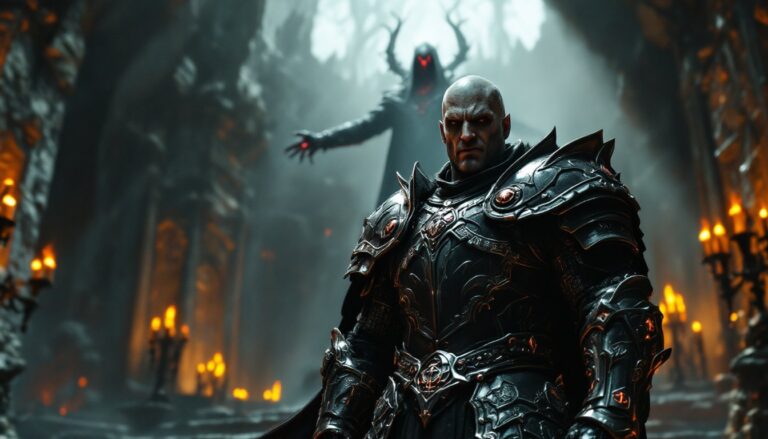
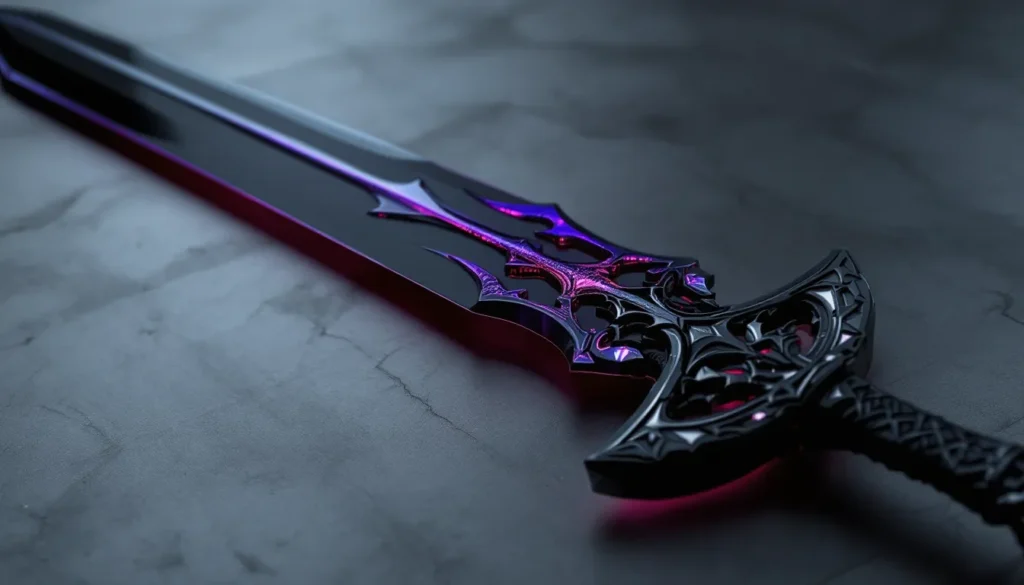
The Umbra Sword is a unique two-handed greatsword in Skyrim, originally introduced in The Elder Scrolls III: Morrowind and brought into Skyrim with direct ties to Daedric craftsmanship. It’s associated with the Daedric Prince Clavicus Vile and carries lore implications that matter for immersion-driven players. Mechanically, Umbra functions as a two-handed weapon with a distinctive dark aesthetic, the blade gleams with an eerie shadow-like quality that sets it apart visually from standard greatswords.
What makes Umbra valuable isn’t just its appearance. The sword comes pre-enchanted with Soul Trap (for 1 second) and drain effects that make it particularly effective in extended combat encounters. The weapon weighs 25 units and has a base damage of 27, which is solid for a unique weapon but not the absolute highest in the game, that distinction belongs to weapons like Daedric Greatswords or end-game crafted pieces. But, Umbra’s real advantage lies in its special properties and how it synergizes with specific builds rather than raw damage numbers alone.
Umbra Sword Location And How To Obtain It
Standard Acquisition Method
Finding the Umbra Sword requires access to Oblivion, which means you need to progress far enough in the main questline to unlock Oblivion gates. The most straightforward path involves completing enough of the Oblivion Crisis questline (the main story) until you unlock the ability to enter Oblivion gates. Once gates are accessible, you need to locate a specific Oblivion gate, the one tied to a Daedric ruin.
The exact location varies slightly, but the most reliable method involves entering an Oblivion gate during the main quest and progressing through it until you reach the chamber containing Umbra. The sword sits in the deepest area of the gate, guarded by Daedric enemies. You’ll face Dremora Lords, Clannfear, and Xivilai depending on the gate’s level. Combat difficulty scales with your character level, so plan accordingly, if you’re attempting this at level 20, expect a tougher fight than at level 40.
Alternatively, if you’ve already completed the main quest and closed all Oblivion gates, you can’t access the standard location anymore. At that point, you’d need to use console commands (on PC) or pursue alternate methods.
Alternative Methods And Mods
For console players who’ve finished the main quest without grabbing Umbra, modding becomes the primary option. The modding community on Nexus Mods offers several solutions: mods that allow gate reopening, mods that place Umbra in accessible dungeons, or mods that add it as a craftable item. Popular options include “Umbra Sword Locations” mods that redistribute the weapon to locations like Bleak Falls Barrow or player homes.
PC players with console access can use the command player.AddItem 0000AE86 1 to add Umbra directly to inventory (the ID is specific to the base game version). Note that patch version matters here, updates can alter item IDs, so verify the ID for your exact Skyrim version before using console commands.
Some players argue that crafting Umbra defeats its purpose since acquiring it through gameplay carries more narrative weight. But, if you’re purely optimizing for combat effectiveness and story completion, mods that simplify access are valid choices. The trade-off is convenience versus the satisfaction of earning a legendary weapon.
Umbra Sword Stats, Perks, And Abilities
Damage Output And Enchantments
The Umbra Sword has a base damage rating of 27, which is respectable but not exceptional compared to other unique two-handed weapons. For reference, a standard Daedric Greatsword sits at 28 base damage, while craft-optimized weapons can exceed 50+ damage with smithing perks applied. But, Umbra’s true value emerges from its enchantment suite rather than raw damage numbers.
The sword comes with a permanent Soul Trap enchantment that lasts 1 second on hit. This means every swing captures enemy souls, which is invaluable for soul gem farming, a core mechanic in Skyrim’s progression loop. The enchantment doesn’t consume magicka and doesn’t degrade, making it effectively “free” benefit every time you land a hit. Paired with Skyrim Dungeons: Uncover Secrets, exploration, you’ll consistently fill soul gems without carrying dozens in your inventory.
Beyond Soul Trap, Umbra has drain properties that affect target stats. The drain effect (typically affecting health, stamina, or magicka depending on your exact game version and patches) makes Umbra formidable in prolonged boss fights where wearing down enemy resources matters as much as raw damage.
Special Effects And Gameplay Benefits
The real gameplay advantage of Umbra comes from its thematic and mechanical synergy with Daedric builds. If you’re roleplaying a Daedric collector or using Daedric-focused mods, Umbra fits the aesthetic and lore perfectly. The sword’s shadow-tinted appearance pairs naturally with dark armor sets like Daedric, Ebony, or other edgy designs.
Mechanically, the Soul Trap effect transforms Umbra into a resource-generation tool. In a typical playthrough, you’ll cast Soul Trap manually to farm souls for enchanting. Umbra does this automatically, freeing up spell slots and magicka for other abilities. For spellblade builds (discussed later), this passive soul capture is genuinely powerful. You can focus on offensive spells while Umbra handles soul collection in the background.
The drain properties also shine against tough opponents. High-level dragons, Daedric Princes summoned via mods, or challenging boss encounters suffer from stat drains, making them incrementally weaker with each hit. It’s a subtle advantage that compounds over a multi-minute boss fight. This is why Umbra performs better against endurance fights than against weak trash enemies where the 1-second duration barely matters.
Best Builds And Play Styles For Umbra
Warrior And Two-Handed Combat Builds
The most straightforward Umbra build is a dedicated two-handed warrior. Invest heavily in the Two-Handed skill tree, prioritizing perks like Barbarian (extra bleeding damage), Cleave (hit multiple targets), and Earthsplitter (ignore armor). Pair Umbra with heavy armor focused on Daedric or Ebony sets for maximum thematic cohesion. Your attribute distribution should emphasize Health (at least 300+) and moderate Stamina for power attacks.
For this build, combat strategy revolves around landing heavy power attacks and sustained swings. Umbra’s base damage scales directly with your Two-Handed skill level and perks, so investing in Smithing to temper the blade (though it doesn’t enchantment-boost Umbra the same way other weapons can be disenchanted and reforged) remains worthwhile. At Two-Handed skill level 100 with relevant perks, Umbra’s effective damage rivals or exceeds many crafted alternatives.
Umbra’s Soul Trap doesn’t directly enhance warrior DPS, but it provides tangible progression benefit, captured souls fuel your enchanting for other gear upgrades. This creates a gameplay loop where combat directly supports equipment progression rather than feeling disconnected.
Hard-mode warrior builds also benefit from Umbra’s drain properties. When facing dragon priests, ancient dragons, or other high-level enemies, each hit marginally reduces their combat effectiveness. It’s not a game-changer solo, but paired with shouts like Elemental Explosion or Unrelenting Force, the cumulative effect shifts difficult fights into winnable territory.
Spellblade And Hybrid Builds
Umbra truly excels in spellblade configurations, characters blending melee and magic. The key is using Umbra’s Soul Trap to fuel your spellcasting without dedicating points to the Conjuration skill tree. You cast offensive spells (Firebolt, Mayhem, Paralysis) while Umbra automatically souls-traps targets, generating free soul gems for custom enchanting or disenchanting.
This setup demands moderate investment in Mysticism/Magic schools plus One-Handed or Two-Handed skills. Since you’re splitting attributes between Health, Magicka, and Stamina, survivability becomes critical. Pair Umbra with Restoration magic (Healing, Fast Healing, Heal Other) for self-sufficiency. Cast damage-type spells that don’t conflict with Umbra, fire mage spellblades differ strategically from frost-casters or shock-focused characters.
Stealth spellblades also work. Umbra’s weight (25 units) is heavy for a stealth-primary character, but if you’re a sneaky mage who pulls out Umbra for emergency close-quarters fights, the Soul Trap benefit still applies. You’ll soul-trap enemies you hit after breaking stealth, again supporting your enchanting progression without dedicated Conjuration investment.
The synergy here is subtle but powerful: spellblades sacrifice some pure spellcasting damage (from Conjuration) but gain resource independence. You’re not bottlenecked by soul gem scarcity, which accelerates gear customization significantly. By mid-game, you’ll have dozens of trapped souls enabling powerful custom enchantments on other equipment.
Umbra Vs. Other Legendary Swords In Skyrim
Comparing Damage, Range, And Utility
Comparing Umbra to other unique swords requires understanding which weapons fill similar roles. Daedric Greatsword (28 base damage) is slightly stronger raw but lacks Umbra’s enchantments. Skyforge Steel Greatsword (25 base damage) is lighter but sacrifices Umbra’s lore and special effects. Longhammer (26 base damage, two-handed) offers similar damage with slightly different perks.
Where Umbra differentiates itself:
- Soul Trap passive: Automatically captures souls without casting cost. Unique among greatswords. Most unique swords lack this resource-generation property entirely.
- Daedric association: Thematically pairs with Daedric builds, Clavicus Vile questlines, and dark-themed characters in ways that generic blades don’t.
- Drain properties: Health/stamina/magicka drain compounds in extended fights, distinguishing Umbra from pure damage-focused weapons.
- Weight-to-damage ratio: At 25 units for 27 damage, it’s efficient but not exceptional. A fully smithed-and-tempered Daedric Greatsword outscales it with investment.
Other legendary swords to consider:
- Harkon’s Sword (Dawnguard): Stronger base damage (28), drains health, associated with vampirism lore. Outright superior for vampire builds but restricted to one faction.
- Chillrend (Thieves Guild): Lower damage (17) but paralysis effect trivializes many fights. Better utility against mobile enemies.
- Bloodskal Blade (Dragonborn): Unique projectile attack. Highest single-target burst potential but less sustained damage.
- Madness Sword (Daedric alternative): Higher damage (29), similar daedric aesthetic, no soul trap. Slightly better for pure damage but worse for resource farming.
For a full skyrim umbra experience exploring multiple playstyles, considering these alternatives contextually makes sense.
When To Choose Umbra Over Alternatives
Choose Umbra when:
- You’re building a spellblade and need passive soul farming. No other two-handed weapon offers this specific synergy.
- You’re committing to a thematic Daedric build and lore/aesthetics matter to your playstyle. The Morrowind connection adds narrative depth.
- You’re pursuing enchanting-focused progression and want soul gems without spellcasting. The passive Soul Trap accelerates gear customization significantly.
- You’re playing high-difficulty modes where drain properties help whittle down dangerous enemies. Marginal stat reduction compounds over a 5+ minute dragon fight.
Choose alternatives when:
- Pure damage output is your only priority. Fully smithed/tempered Daedric Greatswords outscale Umbra through crafting optimization.
- You’re building a pure warrior with zero magic. The Soul Trap benefit requires enchanting involvement: if you skip that entirely, Umbra loses its key advantage.
- You want lightweight options for kiting builds. Umbra’s 25-unit weight is heavy: lighter greatswords enable faster repositioning.
- You need status effect immunity. Chillrend’s paralysis trivializes encounters where Umbra’s drain just marginalizes them.
The honest take: Umbra is phenomenal for specific builds (spellblades, Daedric-themed characters) but not universally superior to all alternatives. A pure warrior dealing raw damage benefits more from a smithed-to-perfection custom sword than from Umbra’s utility enchantments.
Tips For Maximizing Umbra Sword Effectiveness
Leveling And Skill Synergies
Maximizing Umbra’s performance starts with two-handed skill investment. Every 15 points in Two-Handed translates to roughly 5% damage increase, so reaching level 100 nearly doubles effective damage compared to starting. Prioritize these perks in order:
- Barbarian (skill level 20): Extra bleeding damage stacks with Umbra’s drain effects. Early priority.
- Cleave (skill level 30): Hits multiple targets in a single swing. Transforms Umbra from single-target to cleave-friendly, devastating in dungeon crowds.
- Earthsplitter (skill level 50): Ignores half of target armor. Against heavily-armored foes (Daedric enemies, dragon priests), this perks scales Umbra’s damage significantly.
- Devastating Blow (skill level 100): Power attacks have 25% chance to paralyze. Combines with drain effects to lock down threatening enemies.
Skill synergies extend beyond Two-Handed. If you’re running a spellblade, invest in Mysticism and Restoration. Enchanting becomes critical for custom enchantments on other gear, Umbra’s soul farming accelerates this dramatically. Even moderate Enchanting (level 40-50) combined with Umbra’s soul capture lets you add powerful custom effects to armor, rings, and amulets.
Smithing remains valuable but not essential. Umbra comes pre-enchanted, and tempering it yields diminishing returns compared to crafting weapons from scratch. Allocate Smithing points only after core combat skills reach 50+.
Attribute distribution matters too. A two-handed warrior using Umbra should prioritize Health (minimum 250, ideally 350+), Stamina (for power attacks and running), and modest Magicka if spellblading. Avoid over-investing in magicka unless you’re heavily magic-focused.
Enchantment And Crafting Strategies
Umbra’s Soul Trap generates soul gems passively, which fuels custom enchanting. The strategy: use trapped souls to enchant other gear rather than focusing on Umbra itself. Why? Because Umbra is pre-enchanted and unique, you can’t improve its enchantments without mods.
Crucial enchanting targets:
- Head armor: Add Fortify Two-Handed (up to +50%) or Fortify Stamina Regen (10+ points). Scaling Umbra’s damage or enabling more power attacks directly increases DPS.
- Hands/Gauntlets: Fortify Two-Handed is stackable here, providing another +50% boost. Pair with Daedric Gauntlets for thematic synergy.
- Chest plate: Add Fortify Health or Damage Resistance. Survivability enables longer engagements where Umbra’s drain effects compound.
- Rings/Amulets: Stack Fortify One-Handed (if dual-wielding with Umbra, though not ideal) or Fortify Stamina (10+ per item). Two accessories can add 20 Stamina total, enabling an extra power attack per combo.
Consider Transmute (a spell) for resource management. Transmuting ore into silver and gold maximizes crafting profit without needing perk optimization. Use the gold to purchase soul gems if farming them seems slow (though Umbra accelerates this significantly).
For PC players using mods (sourced from Nexus Mods), consider balance mods that enhance Umbra’s enchantments or add unique perks to iconic weapons. Popular overhauls like “Unique Weapons Overhaul” rebalance legendary weapons to feel distinct and powerful. Mods aren’t cheating, they’re balancing personal preference with game design.
Finally, ensure you’re actually using Umbra in combat rather than collecting it as a trophy. The passive Soul Trap only triggers when you land hits. Keep Umbra equipped during dungeon crawls, dragon hunts, and boss fights to maximize soul farming and take full advantage of its drain properties. Switching to it only for specific encounters wastes its passive benefits.
Conclusion
The Umbra Sword isn’t the mathematically “best” weapon in Skyrim, but it’s exceptional for specific playstyles and builds. Its Soul Trap enchantment transforms resource management by automating soul farming, its drain properties provide subtle advantages in extended encounters, and its thematic Daedric identity makes it perfect for immersion-driven characters.
For spellblades and hybrid builds, Umbra is arguably irreplaceable. The passive soul capture frees up magicka for offensive spells while accelerating enchanting progression, a genuinely powerful combination. For pure warriors, it’s solid but not mandatory: a fully optimized crafted greatsword can outscale it through smithing and tempering alone.
The acquisition challenge (needing Oblivion gate access during the main quest) adds weight to obtaining it. If you’ve already closed all gates, modding becomes necessary, a valid approach that doesn’t diminish the weapon’s value. Whether you hunt it down legitimately or use console commands, the effort pays off if your build aligns with its strengths.
Test Umbra against your playstyle. If you’re running a two-handed warrior with zero magic, try it for a few dungeons but don’t feel obligated to stick with it. If you’re a spellblade character, acquiring Umbra should be a priority, its synergies with that archetype are too good to pass up. The weapon rewards intentional builds, not all builds equally.