Table of Contents
ToggleSkyrim Survival Mode strips away the comfortable safety net of standard gameplay and replaces it with genuine peril. Players can no longer fast-travel across the map, health doesn’t regenerate naturally, and wandering through a blizzard without proper preparation means death. This isn’t hyperbole, survival mode fundamentally rewires how you experience The Elder Scrolls V: Skyrim, transforming it from an exploration sandbox into a gritty, resource-management simulator. Whether you’re a veteran Dragonborn looking for fresh challenge or someone craving a more immersive playthrough, understanding survival mode’s mechanics is essential. This guide covers everything you need to not just survive, but genuinely thrive in Tamriel’s harshest environments.
Key Takeaways
- Skyrim Survival Mode disables fast travel and requires active management of hunger, fatigue, and cold to survive, fundamentally transforming the game into a resource-management simulator rather than a power fantasy.
- Prioritize cooking and alchemy early, as these skills directly improve meal restoration and potion potency, making survival mode significantly more manageable throughout your playthrough.
- Plan routes strategically by mapping shelter locations (inns, homes, temples) and avoiding harsh terrain like snow-covered peaks to prevent health drain and resource exhaustion during travel.
- Maintain a lean inventory focused on essential survival items—multiple meals, 10+ healing potions, stamina potions, and cold-resistance gear—as weight management directly impacts survival success.
- Use avoidance and tactical positioning over aggressive combat, as engagement decisions and strategic retreat are crucial to preserving limited healing resources in Skyrim Survival Mode.
- Establish consistent routines for hunting, cooking in batches, and resting regularly before fatigue becomes critical, as these fundamental habits determine long-term survival success in Tamriel’s harshest environments.
What Is Skyrim Survival Mode?
Survival Mode is Bethesda’s official add-on (also available as a Creation Club module) that reshapes Skyrim’s core systems into a hardcore experience. Released alongside Anniversary Edition, it’s available on PC, PlayStation, and Xbox platforms, though some console versions may have limitations.
How Survival Mode Changes Gameplay
Survival Mode eliminates the conveniences modern Skyrim players take for granted. Fast travel is completely disabled, no more teleporting from Whiterun to Solitude. Your character requires sleep, food, and warmth or faces escalating penalties. Health and magicka no longer regenerate passively: you must use potions, spells, or resting to recover. Stamina regeneration slows significantly, making combat feel heavier and more tactical.
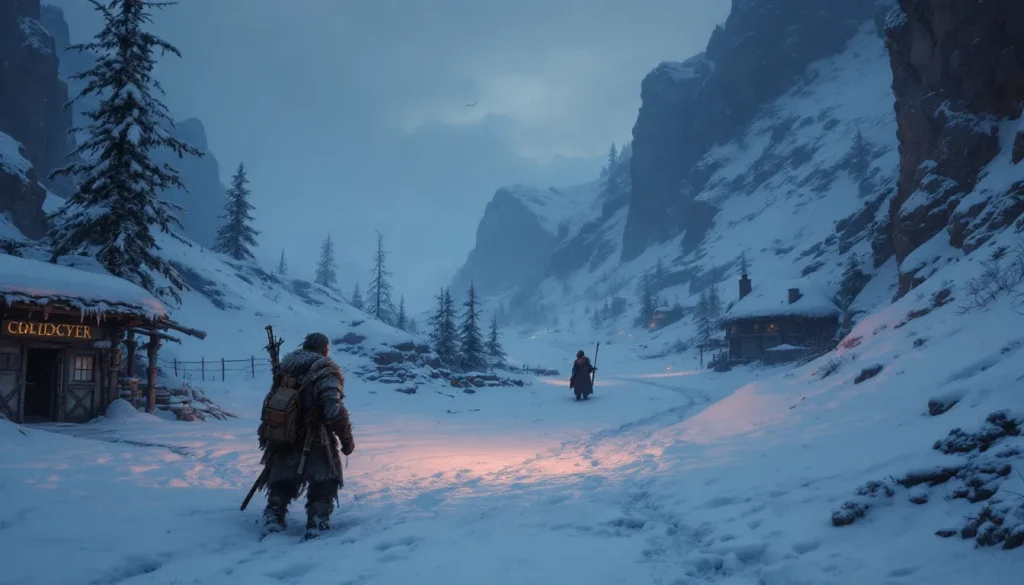
Temperature becomes a genuine threat. Travel through frozen mountain passes or swamps during harsh weather and you’ll accumulate cold damage unless properly dressed or sheltered. The world becomes physically larger, making every journey meaningful. A trip to a distant location that once took seconds now requires planning, supplies, and caution.
Why Enable Survival Mode?
The appeal is straightforward: immersion and challenge. Survival mode forces engagement with systems players typically ignore. You can’t mindlessly grind through dungeons because you’re hungry, fatigued, and freezing. Resource scarcity creates tension, do you use that healing potion now or save it for the next encounter? Strategic depth emerges naturally from necessity.
For roleplayers, survival mode transforms Skyrim into a living, breathing world. A Nord guard isn’t invincible: he’s a person who needs shelter and food. A merchant needs to plan routes carefully between towns. This layer of authenticity resonates with players seeking deeper immersion, and the mechanical challenge appeals to those wanting a tougher experience than legendary difficulty offers.
Hunger, Fatigue, and Cold: The Three Pillars of Survival
These three meters dictate your moment-to-moment experience in survival mode. Ignoring them kills you faster than dragons.
Managing Your Hunger Meter
Hunger depletes constantly, faster when traveling or in combat. Unlike real survival games with extreme micromanagement, Skyrim’s hunger is forgiving, you won’t starve in minutes. But, prolonged hunger slowly damages health.
Simple food items like bread, cheese, and cooked meat satisfy hunger efficiently. Hunting animals provides raw meat that can be cooked at campfires for substantial sustenance. Creating a routine of gathering and cooking prevents panic situations. Early-game survival runs benefit from hunting regularly: a single deer yields venison steaks covering hours of wandering.
Roasted vegetable medleys and stews provide significant hunger restoration and are easy to craft from gathered ingredients. Always carry at least 3-4 meals worth of food. Running out mid-dungeon creates stress, and stress leads to mistakes in combat.
Understanding Fatigue and Rest Requirements
Fatigue accumulates from travel and physical exertion. You’ll notice a “Tired” status appearing, ignore it and penalties escalate. Extreme fatigue impairs combat effectiveness, reducing damage output and accuracy. Your character genuinely becomes sluggish.
Resting is mandatory, but you can’t sleep anywhere. Only legitimate beds in inns, homes, temples, and other official locations provide rest. This mechanic reinforces the value of civilized settlements. A journey through wilderness must be broken by shelter-seeking.
Early on, sleep management isn’t restrictive. As you venture further from civilization, planning rest stops becomes critical. Long expeditions require identifying shelter points along your route. Abandoned cabins, fortified ruins, and homesteads become valuable not for loot, but for beds. This transforms exploration, you’re not just looting: you’re mapping safe havens.
Combating Cold and Environmental Damage
Cold damage in survival mode is legitimately dangerous. Standing in harsh weather without protection inflicts continuous damage. Heavy snow, storms, and frozen peaks are lethal without proper gear or warm buildings nearby.
Wear heavy armor or winter clothing when traveling through cold regions. Nord heavy armor and fur gear provide inherent cold resistance. Enchantments that boost cold resistance or well-stocked buildings with fireplaces become oases. Simply standing near a fireplace regenerates health and eliminates cold damage, making inns invaluable.
Cold potions, restoration spells like Warmth, and the Restoration skill tree provide additional layers of protection. But, relying purely on potions wastes resources, gear up appropriately instead. Knowing which regions stay frigid year-round versus which have milder zones helps with route planning.
Essential Perks and Skills for Survival Mode
Certain perks transform survival from grueling to manageable. Prioritizing the right skill trees dramatically improves quality of life.
Best Cooking and Alchemy Perks
The Cooking perk (under Food Cooking) doubles the health restoration from cooked meals, a significant quality-of-life boost that reduces how often you need to eat. Grab this early. Gourmet (second tier) adds even more restoration, turning simple meals into powerful healing items.
In Alchemy, Alchemist increases potion potency, making healing potions stretch further. Physician boosts health restoration specifically, doubling healing potion effectiveness. These two perks alone make potions competitive with resting, giving flexibility in resource management. Concentrated Poison allows crafting stronger poisons without requiring more ingredients, helpful when you’re resource-starved.
The Herbalism perk (fifth tier) lets you harvest ingredients twice from plants, dramatically improving resource gathering efficiency. In survival runs, this perk pays dividends immediately.
Survival-Focused Skill Leveling Strategies
Prioritize Cooking and Alchemy early. These aren’t typically leveled skills, but in survival mode they’re foundational. Cooking levels by preparing meals: Alchemy through potion crafting. Dedicate early playtime to crafting batches of healing potions and stamina potions.
Restoration and Enchanting become utility skills. Restoration spells provide healing without potion consumption, and Enchanting improves equipment effectiveness, reducing damage taken and making survival easier. Smithing allows armor repairs and crafting protective gear, directly improving survivability.
Hunting (a survival-specific skill) levels through animal kills and harvesting. Investing in this skill improves animal gathering efficiency and even grants passive benefits to hunting. Prioritize it if you plan hunting-focused playstyles.
Don’t neglect combat skills, survival doesn’t mean avoiding fights, it means fighting efficiently. Level One-Handed, Two-Handed, or Archery based on your preference, then invest in damage-reducing perks. Combat ends faster, reducing resource drain.
Building Your Survival Kit: Gear and Equipment
Your equipment loadout determines survival success more than skill alone. Smart gear choices prevent crisis situations.
Warm Clothing and Protective Armor
Start with appropriate base clothing. Nord Plate Armor and Fur Armor aren’t fashionable but provide cold resistance. In frozen regions, they’re mandatory. Don’t underestimate light armor either, Elven Armor and Scaled Armor with proper enchantments work in moderate climates.
Focus on Enchantments providing cold resistance or healing. A single item enchanted with “Resist Frost 25%” meaningfully extends survival in harsh weather. Craft or find apparel with these properties early.
Carry Extra Clothing. A fur cloak, heavy robe, or winter coat provides warmth without sacrificing armor class. Change clothing based on climate, heavy armor in combat, insulated wear during travel. This flexibility prevents wasting resources on potions.
Essential Items to Always Carry
Maintain a streamlined survival pack:
- Food (multiple types): Carry 5-10 meals. Include high-restoration items and light snacks.
- Healing Potions: Keep 10+ potions. Running dry mid-fight is catastrophic.
- Stamina Potions: Critical for combat or climbing steep terrain.
- Bed Roll (if using camping mods): Not in vanilla, but essential if using creation content.
- Waterskin (immersion mods): Adds roleplay depth without core survival changes.
- Lamp or Torch: Dark dungeons without light sources are unnavigable.
- Firewood: Used to start campfires, providing warmth temporarily.
Weight management becomes crucial. Vanilla Skyrim’s carry weight is generous, but survival runs benefit from aggressive inventory pruning. Don’t hoard “just in case” items, carry what you’ll use.
Food, Crafting, and Resource Management
Food production is central to survival mode longevity. Passive sustenance isn’t possible, you must actively generate supplies.
Hunting and Fishing for Sustenance
Hunting provides raw materials and teaches valuable self-sufficiency. Deer, elk, and rabbits populate forests and grasslands. A single deer provides multiple venison steaks and other useful materials. Hunting skill investments increase carve yields.
Fishing seems inefficient but offers variety and steady food production. Fish stew and cooked fish provide meaningful nutrition. Some players establish fishing routes, visiting favorite spots regularly. It’s meditative and productive.
Early-game survival runs benefit enormously from hunting. Spend your first week gathering animal meat, then cooking batches of prepared dishes. This creates food security for months of game time. Establish rhythm: hunt for two hours, cook for one, rest, repeat.
Shrieking Shale and other dangerous predators drop valuable meat but require combat, calculate risk versus reward. Easy prey like rabbits and pheasants are safer even though lower yields.
Cooking and Preserving Food
Cooking enhances food value significantly. Raw meat provides basic nutrition: cooked meat provides substantially more. Recipes requiring ingredients beyond raw meat (combining ingredients with bread, vegetables, spices) generate even greater benefits.
Experiment with recipes. Some combinations produce superior results to simple cooking. A Vegetable Soup (combining vegetables and broth) might heal more than the individual ingredients separately. The cooking system rewards tinkering, find efficient recipes and repeat them.
Food preservation isn’t a formal mechanic, but strategic cooking batch-work prevents spoilage implications. Prepare large quantities when near a cooking station, then travel with prepared meals. Avoid excessive raw meat storage: cook it immediately.
Alchemy for Survival Potions
Alchemy transcends basic potion-making in survival mode. Healing potions remain paramount, but utility potions become equally important. Stamina regeneration potions extend physical endurance. Resistance potions (frost, fire) substitute for armor gaps. Invisibility potions enable combat avoidance.
Focus on ingredient gathering. Wilderness plants provide free alchemy materials. Spider eggs, canis root, imp stool, and deathbell are abundant and combine into useful potions. Build alchemy until recipes become second-nature.
Potions become currency. Alchemists in towns purchase your excess inventory for gold, providing income without looting. High-value potions cover substantial profits. This system encourages alchemy investment beyond personal consumption.
Finding Safe Shelters and Planning Routes
Navigation in survival mode requires strategic foresight. Randomly wandering leads to exhaustion and death.
Mapping Safe Houses and Locations
Identify shelter points along planned routes. Inns in towns provide reliable rest. But, player-owned houses offer superior security, no innkeeper charges, and personal supplies await. Purchasing a home early (Breezehome in Whiterun is accessible quickly) provides a base. Return here periodically to restock and rest.
Learn secondary shelter locations: temples, military barracks, and abandoned buildings with intact roofs. Not all buildings provide beds, but knowing which do prevents emergency shelter searches. Mark these on mental maps.
Stewards’ halls in holds and taverns function as emergency respite. Establish shelter chains, routes that connect safe locations within reasonable travel distance. Your initial routes should connect nearby towns through known shelter points.
Travel Planning to Avoid Harsh Terrain
Don’t traverse mountain ranges directly. Snow-covered peaks inflict constant cold damage and exhaust stamina through climbing. Instead, circle around through valleys and lower passes. This lengthens travel but prevents health drain.
Winter and stormy weather are survival threats. Check in-game dates, certain seasons bring harsher conditions. Plan expeditions during milder months when possible. If you must travel during storms, prepare extra cold-resistance gear and food.
Discover roads systematically. Major roads connect towns and stay relatively civilized. Random wilderness travel is slower and more dangerous. Use roads initially, then branch into wilderness once you’ve mapped it.
Consider hiring followers for shared resource burdens and combat support. A single companion carries items and provides backup, reducing solo survival pressure. But, followers require management, they eat food too, so this benefit has costs.
Combat and Enemy Encounters in Survival Mode
Combat becomes deadlier in survival mode. Resource management before fights determines fight outcomes.
Strategic Approaches to Difficult Fights
Avoidance beats aggression. Unlike standard difficulty modes, survival mode doesn’t reward reflexive combat. If you spot danger ahead (bandit camp, dragon), consider whether engagement is necessary. Stealth bypasses entire conflicts, preserving resources.
Prepare before fights. Stock healing potions, cast protective spells (Oakflesh, Stone Skin), and position strategically. Engage from range when possible, bows cost nothing but arrows, while melee exhausts stamina and invites retaliation.
Use terrain advantage. Engage enemies from elevated positions or through narrow choke points. Reduce the number of simultaneous opponents through positioning. Classic tactical concepts matter here, survival mode rewards chess-like thinking.
If fights turn catastrophic, retreat. Survival isn’t about winning every encounter: it’s about making strategic decisions. Retreat to rest, restock, and return with better preparation. Pride is a liability in survival mode.
Managing Health and Healing Resources
Health regeneration doesn’t occur naturally, potions are your lifeline. Drink aggressively when health drops below 50%. Waiting for desperate moments wastes resources: preemptive healing prevents death spirals.
Differentiate potion types: weak potions for chip damage, strong potions for dangerous situations. Don’t spend premium potions on trivial damage. Ration high-tier potions for boss fights and desperate moments.
Develop potion redundancy. Carry potions of different strengths and, if possible, multiple stacks. Running out mid-fight is catastrophic. Budget potion consumption, estimate fights will consume 3-5 potions per serious engagement.
Heal strategically between fights. After clearing a dungeon room, drink a potion immediately. Enter the next room at full health. This simple habit prevents death spirals where mounting injuries snowball into disaster.
Alternatively, use Restoration spells and abilities. Spellcasting preserves potion supplies. Invest perk points into Restoration and cast Fast Healing during fights. This diversifies healing beyond potions, spreading resource burden.
Advanced Survival Mode Tips and Tricks
Veteran survival players employ subtle strategies that separate thriving from merely surviving.
Optimizing Your Playstyle
Establish fast routines. Identify quests requiring minimal travel or resources. Low-level easy quests provide experience and coin without danger. Early playtime should focus on resource generation, hunt, gather, craft, rest. This groundwork enables later ambitious adventures.
Companion composition matters strategically. Melee-focused followers tank while you cast spells or attack from range. Mages provide crowd control and damage, freeing you to manage resources. Choose companions based on your playstyle’s weaknesses.
Crafting stations are strategic locations. Smithies aren’t just for weapon repair, they’re waypoints. Travel to smithies, fast-travel internally to their connected locations (like Eorlund Gray-Mane’s Skyforge connects to Whiterun), and maximize movement efficiency.
Use teleportation tactically. Spells like Telekinesis pull distant items without approaching. Mayhem spells cause enemy infighting, reducing your potion consumption. These utility options reduce resource demand.
Hunting efficiently means establishing rotation routes. Identify areas with abundant game, visit regularly, harvest, cook, move on. Consistency generates steady food production without constant search stress.
Common Mistakes to Avoid
Don’t neglect rest. Fatigue penalties compound into death. Stop for sleep before exhaustion becomes critical.
Don’t overestimate armor. Even well-armored characters need to manage cold damage. Proper clothing prevents endless potion consumption.
Don’t ignore stamina. Stamina drain in survival mode is severe. Combat with empty stamina bars is unwinnable, constantly manage stamina potions and regeneration.
Don’t carry useless loot. Weight limits restrict movement speed. Loot only valuable items, crafting materials, rare items worth gold. Ignore common armor and weapons cluttering dungeons.
Don’t underestimate wolves. Pack animals kill overconfident players. Respect enemy AI: they’re smarter than they appear.
Don’t plan routes blindly. Unfamiliar territory in survival mode kills quickly. Learn areas on standard difficulty first if needed, then apply knowledge to survival runs.
Don’t forget that survival mode rewards patience. Rushing leads to mistakes, mistakes lead to resource waste, waste leads to failure. Slow, methodical play prevents crises.
Conclusion
Skyrim Survival Mode transforms from a power fantasy into a genuine challenge requiring genuine strategy. Success depends on consistent resource management, strategic planning, and tactical awareness, not reflexive skill or overwhelming power. The mode appeals because failure feels earned rather than arbitrary. A character doesn’t die from mechanical weakness: they die from poor planning, overconfidence, or miscalculation.
Starting survival runs seems intimidating, but the learning curve is manageable. Establish basic routines: hunt regularly, cook batches, rest strategically, travel carefully. These fundamentals carry through entire playthroughs. As experience grows, tactics evolve, routes optimize, loadouts refine, and combat becomes deliberately efficient rather than panicked.
The reward is immersion that standard Skyrim simply cannot match. Sitting by a fireplace during a snowstorm feels earned. Reaching a destination feels like genuine achievement. Every meal carries weight. Survival Mode reclaims the narrative, you’re not a legendary hero conquering effortlessly. You’re a person surviving in hostile territory, where every choice matters and complacency kills. That’s what keeps players returning.
For players looking to push beyond survival mechanics, reaching max level in Skyrim provides long-term progression goals that complement survival playstyles. Also, understanding Skyrim dungeon layouts and enemy placements helps with resource planning during exploration.
Community discussions on platforms like IGN highlight emerging strategies and patch changes affecting survival balance. Popular gaming outlets continue covering survival mode updates and player innovations.
Resources like Game Rant regularly publish survival mode walkthroughs and build guides that complement this foundational knowledge. These external guides often showcase specialized approaches to specific challenges.
For console players interested in altering difficulty or testing alternative approaches, Skyrim Switch cheats provide optional mechanics, though survival purists avoid these features entirely. The Skyrim Archives contain additional detailed guides for nearly every gameplay scenario.
Comprehensive resource sites like Twinfinite maintain tier lists and comparison guides for equipment and perks, helping players optimize loadouts before committing to difficult runs.